
LEKPONGUNOR D/A SCHOOL PROJECT
N I N G O – P R A M P R A M D I S T R I C T
TRANSFORMING EDUCATION AT LEKPONGUNOR D/A JHS
Situated approximately 15 minutes from Dawa in the Ningo–Prampram District, LEKPONGUNOR D/A JHS was established to provide basic education to children within the surrounding communities. Over time, the school has expanded its enrollment and currently serves more than 500 pupils across the lower and upper primary, as well as junior high levels. Instructional and administrative activities are managed by a dedicated teaching staff of approximately 15 educators.
Despite its growth and commitment to educational development, the school continues to face substantial infrastructural and resource challenges that pose significant threats to both the quality of teaching and the overall well-being of students. Nevertheless, LEKPONGUNOR D/A JHS
has maintained a commendable record of academic excellence. The school has consistently produced outstanding students who have gained admission to some of Ghana’s most prestigious secondary institutions, including Achimota School, Mfantsipim School, and Presbyterian Boys’ Secondary School (PRESEC)
THE CHALLENGES
The school operates under highly constrained conditions that significantly impede effective teaching and learning. Key infrastructural and resource deficiencies include the following:
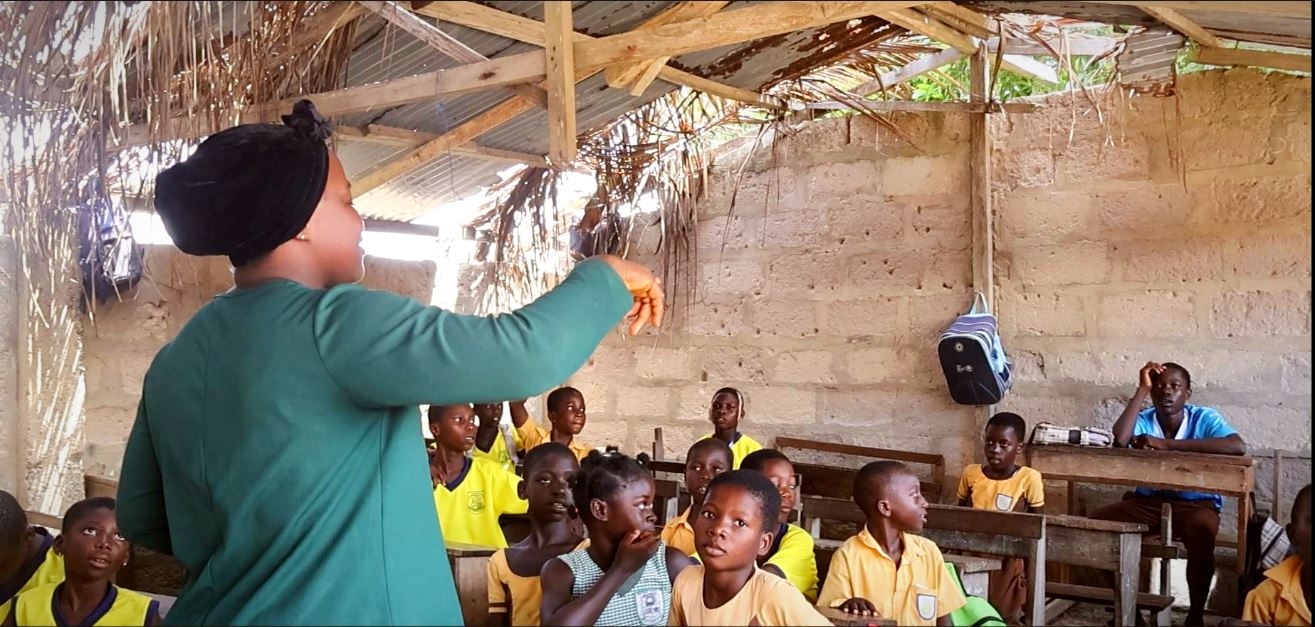
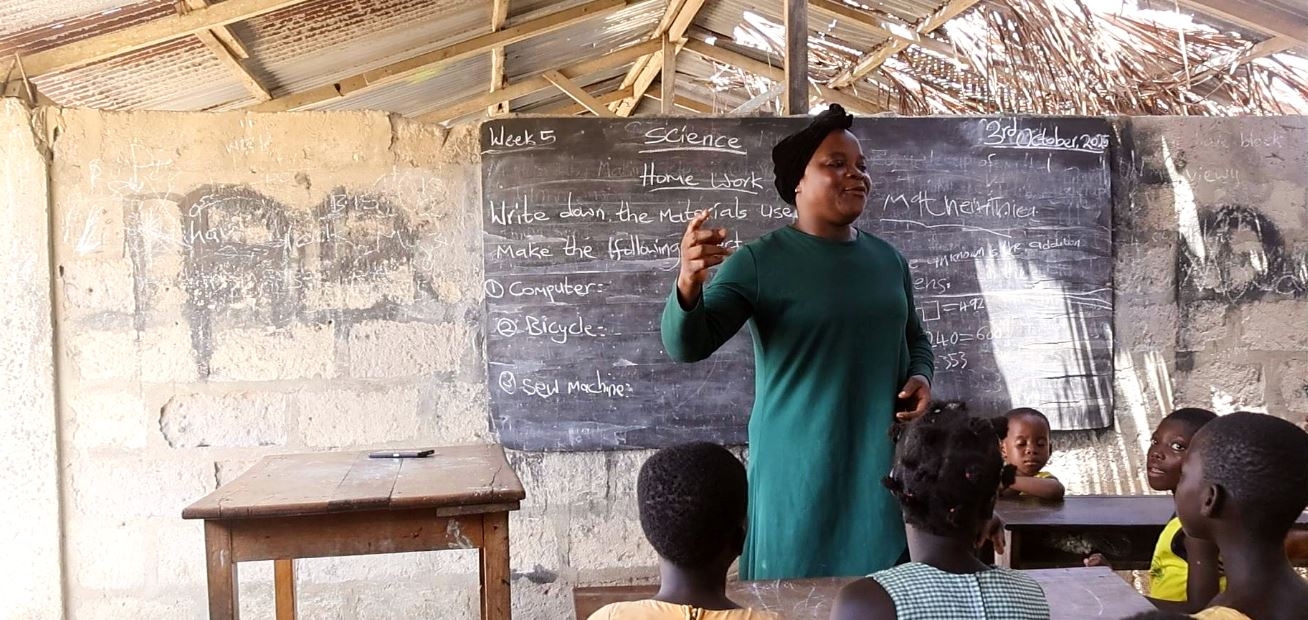
Lack of staff facilities: There is no designated common room for teachers, compelling them to prepare lessons and undertake administrative tasks outdoors, often under trees. Dilapidated classroom infrastructure: The lower primary classroom block is in a deplorable state, posing safety and comfort challenges for both pupils and teachers.
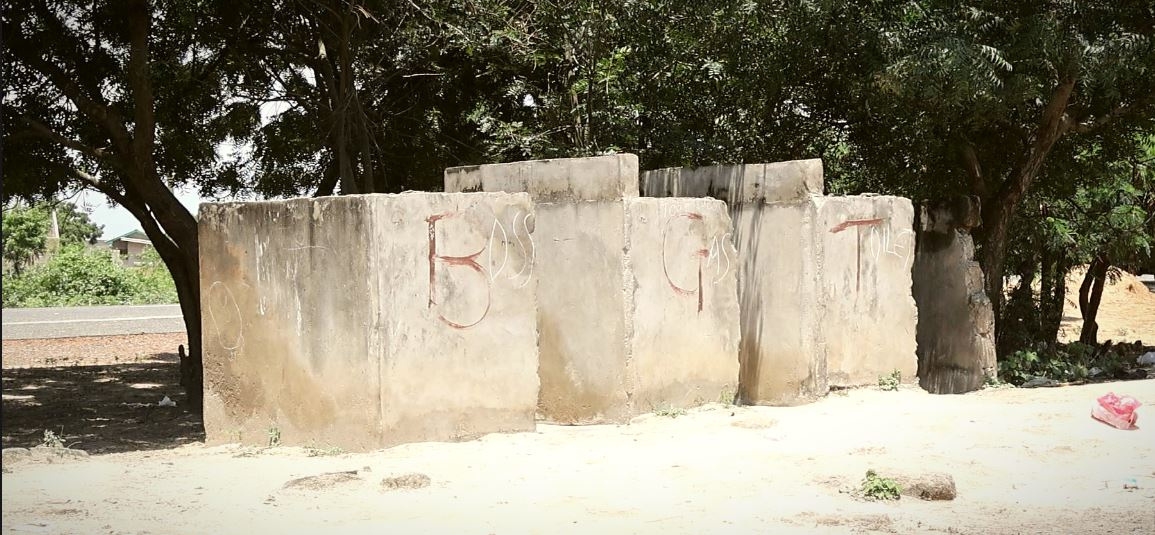
Severe overcrowding in early childhood classrooms: The early childhood education facility is both overcrowded and structurally compromised, creating an non conducive learning environment. Absence of a school canteen: Pupils are compelled to eat on bare ground due to the lack of a designated dining area. Inadequate sanitation facilities: Students and staff rely on a shared, unsafe community toilet, and outdoor urinals that provide limited privacy and fail to meet basic hygiene standards.
Limited access to potable water: The absence of clean water exposes pupils to
frequent illnesses and negatively affects sanitation and hydration needs during school hours. Lack of ICT infrastructure: Although Information and Communication Technology (ICT) is included in the curriculum, the school has no computers or digital learning resources. Insufficient learning materials: Access to textbooks, stationery, and other essential learning supplies is extremely limited. Socioeconomic deprivation among pupils: Many children attend school barefoot and without proper uniforms or school bags, reflecting broader issues of poverty and educational inequality.
THE IMPACT ON LEARNING
- Environmental and Infrastructural Constraints Teaching and learning are frequently disrupted by harsh weather conditions. Classes often close early due to excessive heat or rainfall, significantly reducing instructional hours and affecting curriculum implementation. The poor structural condition of classrooms, particularly in the early childhood block, exacerbates these disruptions.
- Additionally, the school shares a single sanitation facility with the local community, and the structure is in a deteriorated condition that poses health and safety risks to pupils and staff.
- Overcrowding and Poor Learning Conditions
- The early childhood block, intended to accommodate Nursery, Kindergarten 1 (KG1), and Kindergarten 2 (KG2), currently houses both KG1 and KG2 in a single congested and poorly maintained classroom. This overcrowding compromises the quality of instruction, reduces pupil engagement, and poses safety and health risks.
- ·Inadequate Teaching and Learning Resources
- Teachers struggle to deliver effective lessons due to the persistent lack of essential instructional materials and classroom resources. The absence of adequate teaching aids limits pedagogical effectiveness and hinders the attainment of learning outcomes, particularly in foundational literacy and numeracy.
- ·Disruptions to Academic Continuity
- During periods of rainfall, pupils are forced to relocate to the upper primary block for shelter. This practice causes significant interruptions to teaching and learning across multiple grade levels, leading to overcrowding, noise, and loss of academic time.
- Socioeconomic Barriers to Education
- Persistent economic hardship within the community contributes to irregular attendance and school dropouts. Some pupils miss lessons or temporarily withdraw from school to assist their families with income-generating activities or household responsibilities, further widening the educational attainment gap.


Toilet Facility
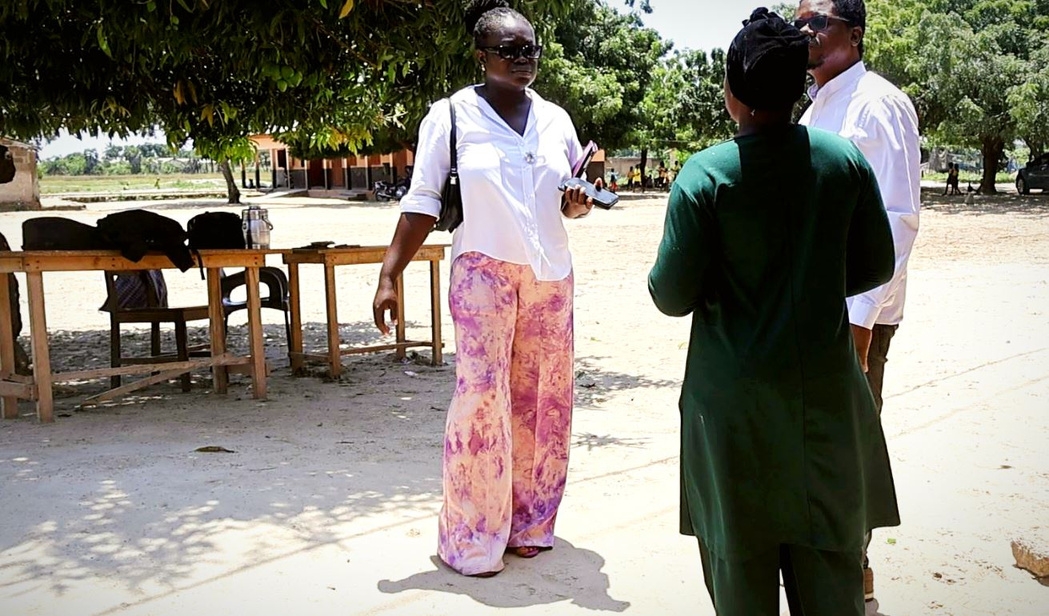
Staff Common Place
Urinal/Bathroom
LEKPONGUNOR D/A BASIC SCHOOL
STUDENTS WITHOUT SCHOOL UNIFORM AND SHOES
AGE GROUP
- 3YRS
- 4
- 5
- 6
- 7
- 8
- 9
- 10
- 11
- 12
- 13
- 14
- 15
- 16
- 17
NO. OF BOYS
- 1
- 8
- 3
- 16
- 16
- 13
- 25
- 18
- 6
- 10
- 23
- 17
- 5
- 21
NO. OF GIRLS
- 1
- 2
- 5
- 8
- 9
- 17
- 15
- 18
- 13
- 15
- 12
- 10
- 5
- 3
- 3
JHS
AGE GROUP
- 12YRS
- 13
- 14
- 15
- 16
- 17
NO. OF BOYS
- 3
- 1
- 5
- 38
NO. OF GIRLS
- 1
- 8
- 2
- 2
- 23
TOTAL NUMBER OF STUDENTS = 500
TOTAL NUMBER OF EXERCISE BOOKS = 500
THE VISION
The overarching goal of the intervention is to transform LEKPONGUNOR D/A JHS into a model school that exemplifies excellence in rural education. This transformation will be guided by the following strategic
objectives:
- To establish a safe and inclusive learning environment that supports the physical, emotional, and academic well-being of all pupils.
- To empower teachers through capacity-building initiatives that enhance pedagogical effectiveness, motivation, and professional development.
- To promote digital literacy among students by integrating Information and Communication Technology (ICT) into teaching, learning, and assessment processes.
- To position the school as a model of educational excellence within the rural context, serving as a benchmark for quality, innovation, and community engagement.
THE MISSION
As part of the foundation’s mission to advance education and foster community development, a targeted intervention project is being initiated to support the LEKPONGUNOR D/A JHS. The primary objective of this initiative is to enhance the school’s learning environment and strengthen its capacity to deliver quality basic education. Specifically, the project seeks to:
- Rehabilitate the lower primary classroom block, including improvements to roofing, ventilation, and interior finishes such as painting.
- Provide essential classroom furniture and instructional materials to support effective teaching and learning.
- Enhance early childhood education through the provision of improved facilities, age-appropriate learning spaces, and pedagogical resources.
- Renovate or construct a sanitary toilet facility to promote hygiene, health, and dignity among pupils and staff.
- Establish a functional ICT laboratory equipped with computers and basic digital learning tools to facilitate the integration of Information and Communication Technology into the curriculum.
- Supply educational materials and student support items, including stationery, textbooks, desks, school uniforms, and related learning resources
HOW YOU CAN HELP
Partner with us to provide:
- Financial or In-Kind Support: Provide funding or donate books, teaching materials, and technology to enhance learning experiences·
- Infrastructure Development: Support the renovation and upgrading of classrooms, sanitation facilities, and other essential learning spaces.
- Corporate Social Responsibility (CSR): PartnershipCollaborate with us to align your CSR initiatives with impactful educational programs.
- NGO Collaboration and Grants: Partner with non-governmental organizations or provide grant support to strengthen school programs.
- Volunteer Engagement: Share your time and expertise to mentor, teach, or support community-based initiatives.